
Original reporting: Associated Press
By: Associated Press staff
Published: August 2026
Original headline: “ICE says it expects to equip every field officer with body cameras by the end of August”
The high points
- ICE says it expects every field officer and agent to be equipped with a body camera by the end of August.
- The agency’s policy permits footage to be withheld or delayed to protect investigations and privacy, while AP focused scrutiny on release decisions following serious injury or death.
- ICE says it is committed to transparency; critics warn that recording without dependable public access can leave the agency controlling the evidence about its own conduct.
Our take
Putting cameras on officers is a necessary improvement. It can preserve evidence, clarify disputed encounters and protect both the public and officers from false claims. But a body camera is not an accountability system by itself. It is only a recording device.
Accountability requires firm activation rules, automatic preservation after force or detention, access for people recorded and their lawyers, independent investigation, and a release standard that does not turn on whether publication is convenient for the agency. Privacy redactions and investigative delays can be legitimate, but they need deadlines, written reasons and outside review. Otherwise, the government controls the camera, the archive and the story.
Why it matters
The central question is no longer whether an encounter was filmed. It is whether the footage survives, who can obtain it, and who has the final word when public accountability conflicts with agency preference.
Video package
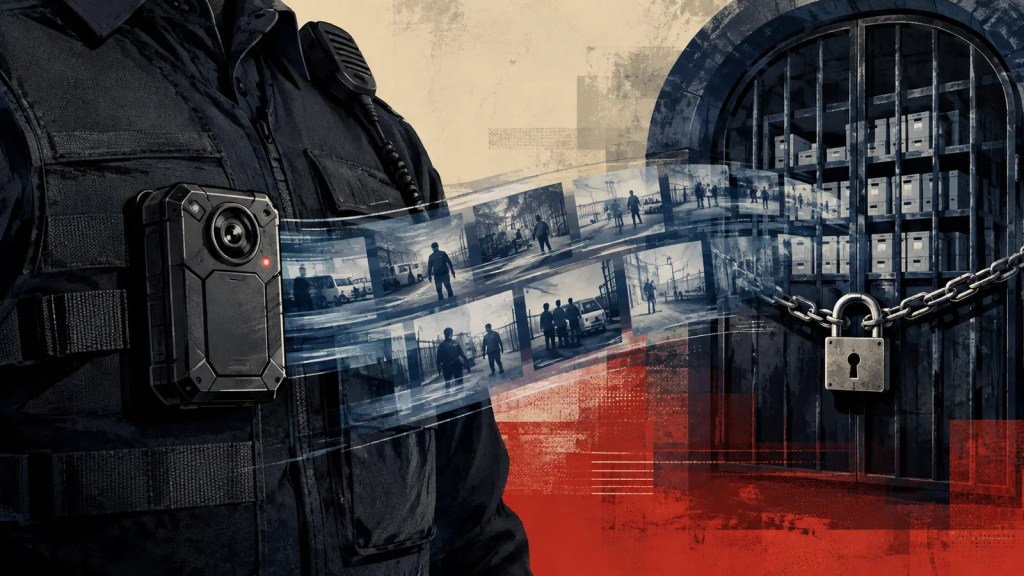
Hook: ICE says every field officer will wear a body camera. That does not automatically mean the public gets accountability.
Short script: Body cameras can preserve critical evidence during immigration operations. But if the same agency decides when cameras run, how long footage is kept and whether the public ever sees it, the camera can become a locked evidence box. Real accountability needs automatic preservation, access for affected families, release deadlines and independent review. Recording is step one. Control of the recording is the real issue.
Who’s Watching Who? summarizes and comments on reporting published elsewhere. Facts attributed to the original outlet remain that outlet’s reporting; our analysis is clearly labeled. Follow the source link for the full context.
 Who's Watching Who?