
Original reporting: FedScoop
By: Lindsey Wilkinson
Published: August 7, 2026
Original headline: “Secret Service reveals new surveillance system amid slowdown in privacy impact assessments”
The high points
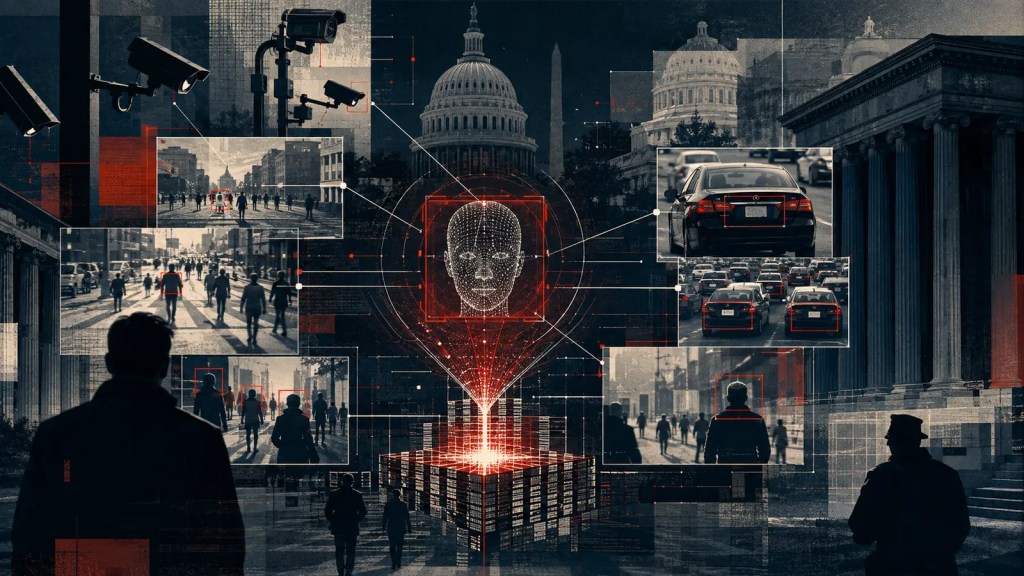
- Helix aggregates surveillance video, facial images and biometric templates, license-plate numbers, and time-and-location metadata in one environment.
- The Secret Service says it uses the system around protected locations and performs facial recognition on manually uploaded “people of interest.”
- The privacy assessment acknowledges false-match risk, movement-pattern analysis and limited ability for individuals to access or contest their data; experts questioned the definition of “person of interest” and the strength of auditing.
Our take
Protecting the White House and other high-risk sites is a legitimate government function. But combining face recognition, vehicle movements and ordinary public-space video creates a tool whose power exceeds any one camera feed. The concern is not only what Helix is designed to do today. It is how an elastic category such as “person of interest” could be interpreted tomorrow—especially around protests and political activity.
Disclosure through a privacy impact assessment is useful, but disclosure is not accountability. When the public cannot readily learn whether it was included, challenge a match or rely on an independent audit, the system asks us to trust the same institution that operates it. Narrow definitions, external review, published audit statistics, strict deletion and clear prohibitions on monitoring lawful First Amendment activity should be enforceable conditions.
POLICE STATE — opinion label
Policy/action: Federal integration of facial recognition, license-plate data and public-space video into a single protective-intelligence platform.
Responsible agency: U.S. Secret Service, within the Department of Homeland Security.
Official justification: Monitoring protected locations for potential threats.
Why we apply this label: In our opinion, a government system that can unify identity, location and movement data while offering affected people little practical notice or appeal has authoritarian capacity. The label critiques the structure and safeguards; it does not claim every use is unlawful or abusive.
Video package
Hook: One federal system can connect your face, your license plate and where you were standing.
Short script: The Secret Service has disclosed Helix, a platform that combines public-space video, facial recognition and license-plate data around protected locations. The agency has a real security mission, but its own privacy assessment recognizes false matches, movement tracking and limited ways for people to challenge the data. The biggest unanswered question is who counts as a “person of interest”—especially near protests. Powerful systems need narrow rules and outside oversight before mission creep becomes the mission.
Who’s Watching Who? summarizes and comments on reporting published elsewhere. Facts attributed to the original outlet remain that outlet’s reporting; our analysis is clearly labeled. Follow the source link for the full context.
 Who's Watching Who?